BMW performance upgrades are no longer limited to expensive hardware or track-focused modifications. Today, BMW owners can combine intelligent BMW performance tuning, an optimized engine flash, precise ECU calibration and a controlled exhaust upgrade to create a faster, sharper and more enjoyable vehicle. The best results come from matching each upgrade to your engine, transmission, driving style and reliability goals.
Modern BMWs also offer exciting ways to refresh the driving environment. Just as newer vehicles bring advanced infotainment and configurable vehicle settings to older platforms, carefully selected OEM-style accessories can make an existing BMW feel more current without compromising its factory character.
Start with a clear BMW performance plan
Before choosing parts, decide what you want to improve. A daily-driven BMW may benefit most from stronger mid-range torque, smoother throttle response and a refined exhaust note. A weekend performance car may prioritize peak horsepower, sharper gear changes, improved cooling and more aggressive sound.
It is also important to identify your BMW’s exact chassis, engine code, model year and current modifications. A calibration designed for a standard vehicle may not be suitable for a car with upgraded intake, downpipe, turbocharger or fuel system components. Professional installation and a compatible software strategy help protect drivability and long-term reliability.
Engine flash tuning and ECU upgrades
An engine flash modifies the software parameters stored in the BMW engine control unit. Depending on the vehicle and calibration, adjustments may include boost targets, ignition timing, fuel delivery, throttle mapping, torque limits and temperature protections. The goal is not simply a higher peak power number; a quality flash should deliver predictable power across the rev range.
What an ECU tune can improve
- More responsive throttle behavior
- Stronger low- and mid-range torque
- Improved acceleration during overtaking
- More consistent power delivery
- Better integration with selected hardware upgrades
When comparing BMW ECU tuning options, look for a solution that accounts for fuel quality, engine condition and thermal management. A conservative calibration with dependable safeguards is often a better choice for a road car than an aggressive file designed only for maximum dyno output. Always follow the tuner’s requirements for fuel, maintenance and supporting hardware.
Owners should also confirm whether the tune can be returned to the original software state and whether diagnostic tools are needed during installation. Keeping records of the original calibration and service history is a practical step before beginning any ECU-related modification.
Choosing the right exhaust upgrade
An exhaust upgrade can transform the personality of a BMW. Cat-back systems, resonated sections, performance mufflers and valve-controlled components each offer a different balance of sound, flow and comfort. The right setup should enhance the engine note without creating unwanted drone during steady cruising.
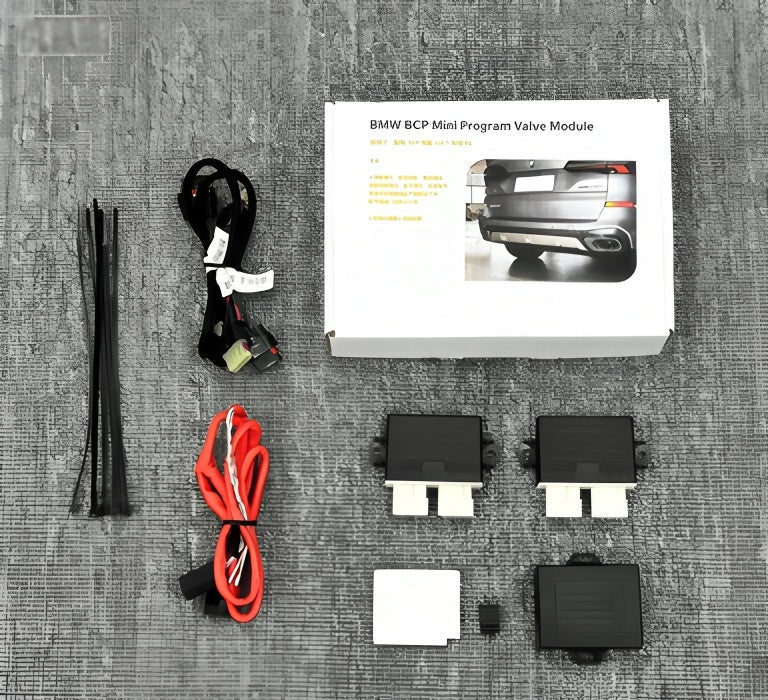
For drivers who want more control, the BMW Exhaust Valve Controller Module with App Control provides a convenient way to manage exhaust valve behavior. Instead of accepting one fixed sound profile, you can select a quieter setting for everyday use and a more open setting when you want a sportier character. This type of control is especially useful when a vehicle is shared by multiple drivers or used for both commuting and spirited driving.
Before installing an exhaust component, check local regulations, emissions requirements and compatibility with the factory valve system. A well-matched exhaust should work with the vehicle’s sensors and engine calibration rather than causing warning lights or unstable operation.
Pairing hardware and software for better results
The strongest BMW performance builds usually combine complementary upgrades. For example, an ECU flash may be calibrated for a freer-flowing exhaust, while an upgraded intercooler helps maintain consistent intake temperatures on turbocharged engines. Better cooling can be just as important as additional power, particularly during repeated acceleration or warm-weather driving.
A sensible upgrade path is to begin with maintenance, followed by software and then supporting hardware:
- Complete oil, filter, spark plug and cooling-system maintenance.
- Install a reputable engine flash matched to your engine and fuel.
- Add exhaust or intake hardware that is compatible with the calibration.
- Monitor temperatures, boost behavior and diagnostic readings.
- Upgrade brakes and tires if acceleration increases significantly.
Do not overlook traction and stopping performance. More torque can expose worn tires, tired brake pads or aging suspension bushings. A balanced BMW performance upgrade improves the entire driving experience instead of focusing only on horsepower.
Modern cockpit upgrades that complete the experience
Performance is also about how easily you can interact with the car. Drivers who upgrade an older BMW can add modern functionality while keeping the factory dashboard appearance. The BMW CarPlay Full Screen Activation is a practical example, giving compatible vehicles a more contemporary interface for navigation, media and communication.

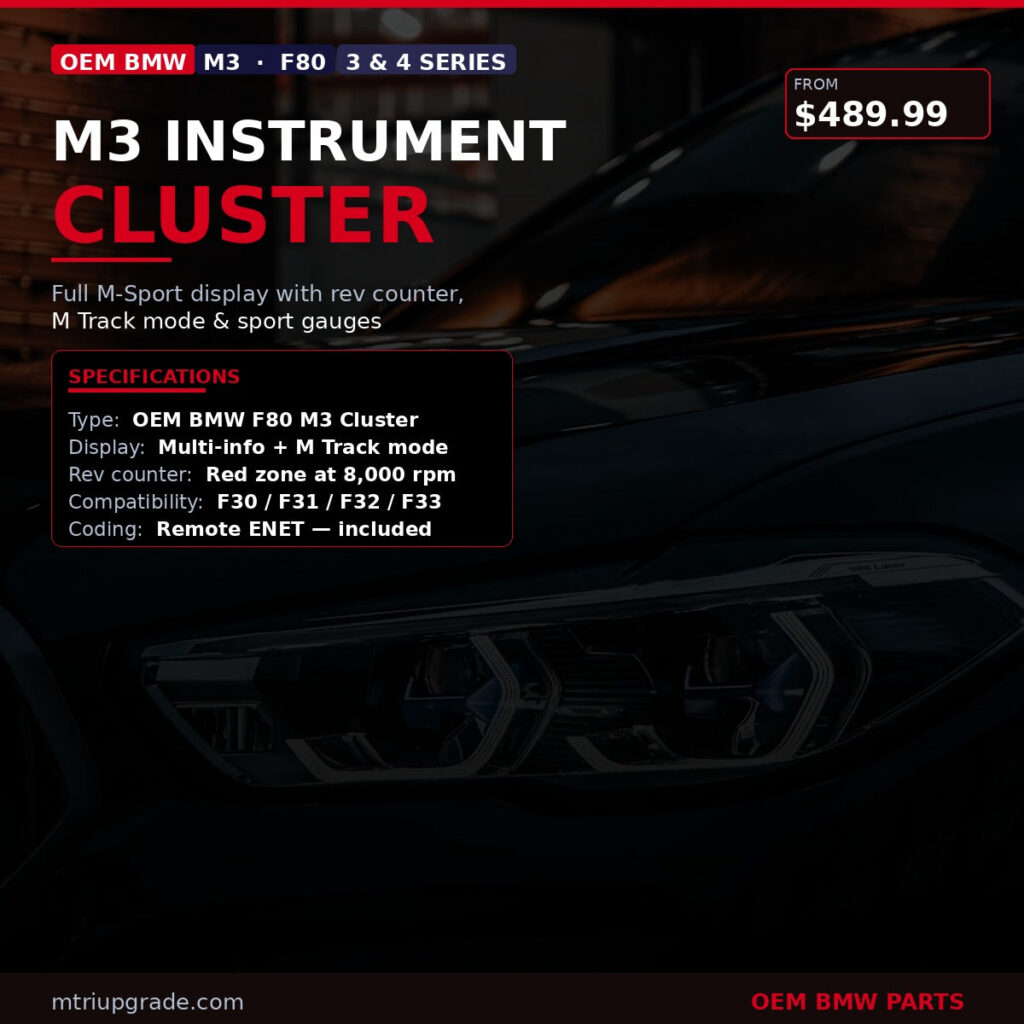
For enthusiasts who appreciate a more focused instrument layout, the OEM BMW M3 Instrument Cluster for 3 and 4 Series can add a distinctive M-inspired appearance and improved visual feedback. Clear information is valuable when monitoring speed, engine behavior and spirited driving conditions.
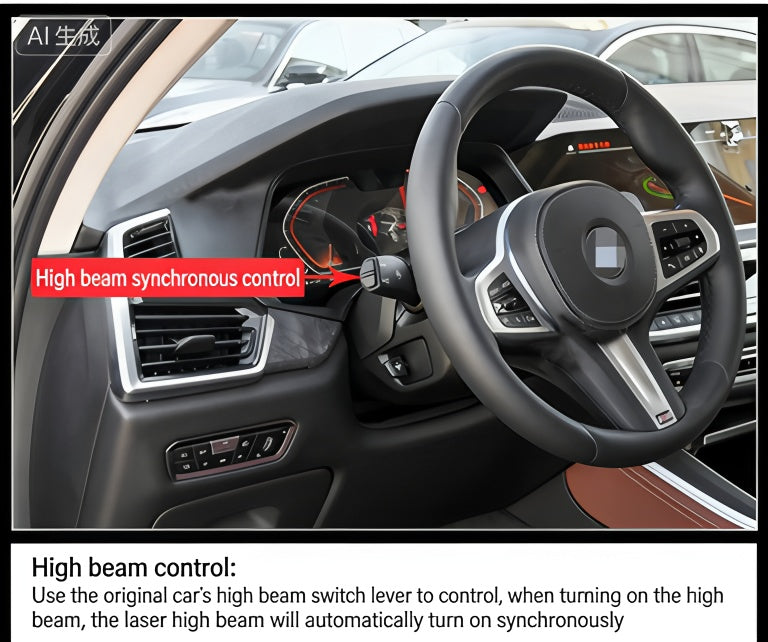
Lighting can also modernize an older vehicle. The BMW Laser Headlight Activation Module is designed for compatible applications and can help deliver a more advanced factory-style lighting experience. Confirm compatibility before ordering, as lighting systems vary by chassis, market specification and installed hardware.
Installation and compatibility checklist
Successful BMW upgrades depend on details. Verify the vehicle identification information, engine variant, software version and connector type before purchasing. Read installation instructions carefully, use stable battery support during electronic programming and scan for fault codes after installation. If a product requires coding or programming, a qualified BMW specialist can help prevent module communication problems.
After fitting an exhaust controller or completing an ECU flash, take time to test the car gradually. Check idle quality, throttle response, warning lights and unusual noises before extended driving. Keep the original parts where possible, and retain documentation for future servicing.
Build a faster, smarter BMW
The ideal BMW performance upgrade is a coordinated package: reliable maintenance, thoughtful ECU calibration, an exhaust system that suits your lifestyle and modern accessories that improve daily usability. Whether you want sharper response on winding roads or a more refined cabin for everyday driving, selecting compatible components is the key to a factory-quality result.
Ready to personalize your BMW? Browse the complete BMW upgrades and accessories collection at MTR Upgrade. Discover performance, exhaust, lighting, cluster and infotainment solutions designed for BMW enthusiasts, with worldwide shipping available.